


After Only a 1% Increase, How National Parks Will Now Anchor Costa Rica's Tourism Reset.

Updated: Mar 31
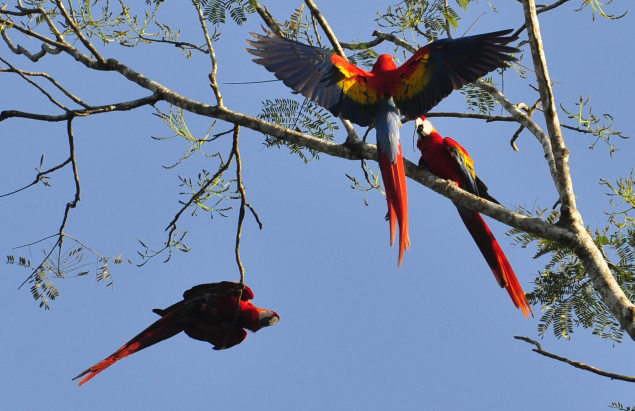
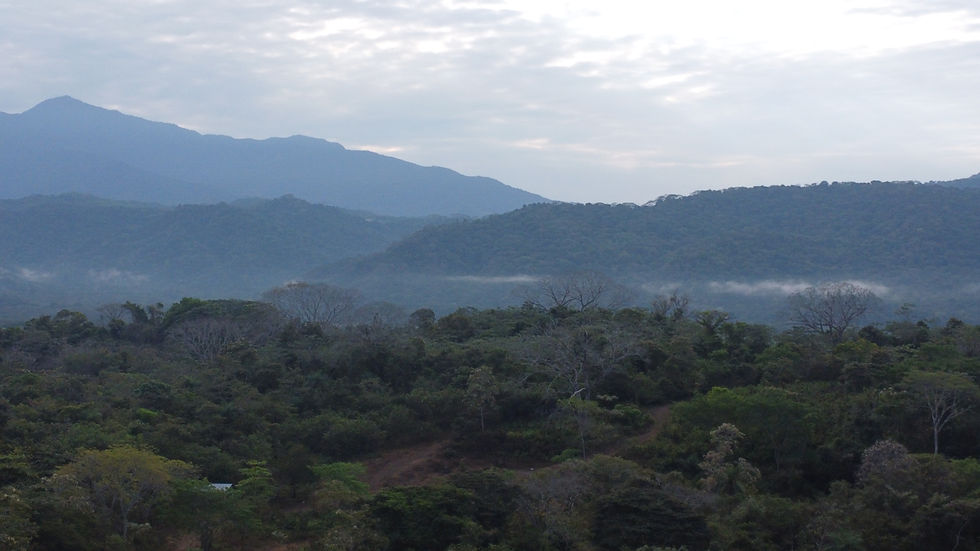
In 2025, Costa Rica’s tourism sector posted a result that caught many observers off guard. Despite continued global interest in nature-based travel, international arrivals rose by only 1%, signaling that the country’s post-pandemic recovery had begun to level off.
Rather than respond with short-term incentives or higher-density development, the Costa Rican Tourism Institute (ICT) initiated a longer-term strategic reset. The objective is ambitious: increase annual tourism from roughly 2.6 million visitors today to 5 million by 2035 — with national parks positioned as the structural anchors of future growth.
From Conservation to Economic Framework
Costa Rica’s national parks have long been central to the country’s identity. What has changed is how these protected areas are now being used within economic and tourism policy.
Instead of relying primarily on branding or promotional campaigns, Costa Rica is reorganizing tourism growth around protected land and natural corridors. National parks are increasingly treated not simply as destinations, but as fixed reference points around which infrastructure, access, and visitor movement are planned.
This reflects a recognition that Costa Rica’s competitive advantage does not lie in density, skyline development, or large-scale urbanization — but in landscapes that cannot be replicated or expanded.
How National Parks Anchor Tourism Growth
National parks anchor tourism growth by doing what no resort or master-planned development can.
They establish permanent, non-negotiable destinations, create predictable year-round visitor flow, naturally limit surrounding overdevelopment, and shape where services, lodging, and residential demand emerge.
Because protected areas cannot be relocated or duplicated, tourism growth organizes itself around them, not through them. Over time, this produces corridors of economic activity rather than isolated hotspots — allowing tourism to scale while preserving the core asset.
Private Capital Is Already Positioning
One of the clearest signals that this strategy is credible is the behavior of private capital.
Companies with long operating histories in Costa Rica and close awareness of regulatory direction are positioning themselves near key park corridors. Café Britt, one of the country’s most recognized multinational brands, has already constructed experiential tourism facilities at the edge Carara National Park and has announced additional investment plans, including the construction of a crocodile skywalk near the Tárcoles River.
These initiatives are not mass-tourism developments. They are experience-driven projects designed to deepen visitor engagement with the surrounding ecosystem and align with conservation-based tourism growth.
Carara and Manuel Antonio: A Complementary Corridor
The Central Pacific offers a clear example of how this strategy functions geographically.
Manuel Antonio National Park provides international visibility and dense visitation. Carara National Park, located at the ecological transition between dry forest and rainforest, offers scale, accessibility, and room for expanded visitor experiences.
Together, they form a north–south conservation corridor that channels visitor movement through the region rather than concentrating it in a single destination. Visitors routinely experience both parks, supporting sustained demand for services, lodging, and development throughout the corridor.
What This Strategy Looks Like on the Ground
Policy matters most where it intersects with geography.
As national parks become the anchors of Costa Rica’s tourism reset, properties in close proximity to parks like Carara suddenly find themselves with a strategic advantage. These areas sit directly in the path of visitor flow, infrastructure planning, and experience-based investment tied to national policy.
Because development around protected land is inherently limited, proximity becomes a structural characteristic — not a marketing claim.
A Strategic Reset, Not a Reaction
The 1% increase in tourism was not a crisis, but it was a signal.
Costa Rica’s response reflects a clear understanding of what draws visitors — and what does not. Travelers do not come for skyscrapers or dense urban development. They come for protected landscapes, biodiversity, and authentic access to nature.
By reorganizing tourism growth around national parks, Costa Rica is not chasing demand. It is anchoring it.“As Costa Rica refocuses its tourism strategy around national parks and sustainable growth corridors, ocean-view land and development property for sale in the Central Pacific are expected to see above-average investor and developer interest over the next several years.”#CostaRicaRealEstate
#OceanViewProperty #RealEstateInvesting #LandDevelopment #CentralPacific #PropertyInvestment #InternationalRealEstate #CostaRicaInvestment


Comments